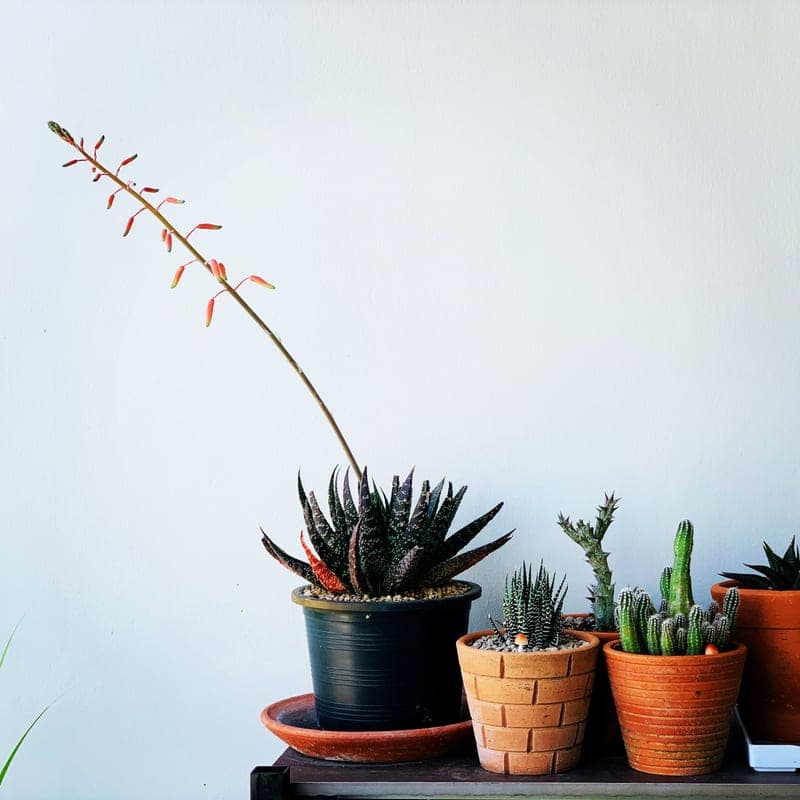
Hardest to kill
Snake Plant (Dracaena trifasciata)
Someone who has killed everything else
- Score
- 9.2 / 10
- Price
- Check price
Spec sheet for keeping plants alive
Honest picks for people who keep killing houseplants: published reservoir capacities, refill intervals we show the arithmetic for, and no pretend test lab.
Every duration on this site is a division problem. Reservoir capacity, divided by what one thorough watering of your pot actually takes, multiplied by a watering cadence published by a university extension service. We show the working, and where a manufacturer does not publish the number, we say so instead of estimating it.
The number that is missing from this band is the interesting one: 7 of the 30 products here have at least one central specification their maker does not publish at all. Where that number is the reservoir capacity, we cannot compute a refill interval, and we say so on the card rather than estimating one.
What won each comparison
The top pick from each of our roundups, with the price and a buy link right here rather than three clicks deep.
Hardest to kill
Someone who has killed everything else
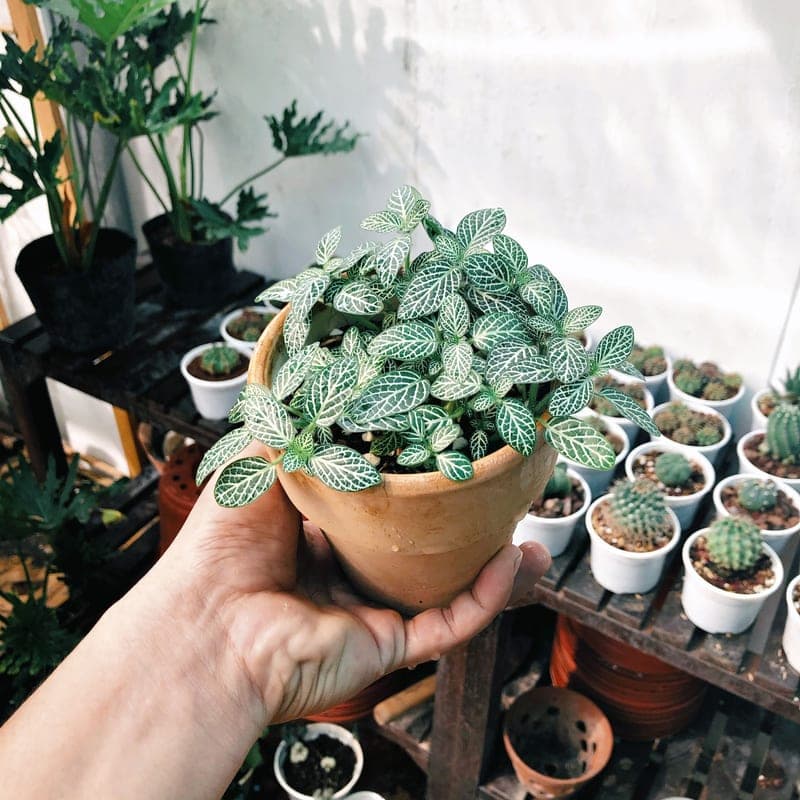
Best watering spike
A one-to-two week trip, on medium indoor pots
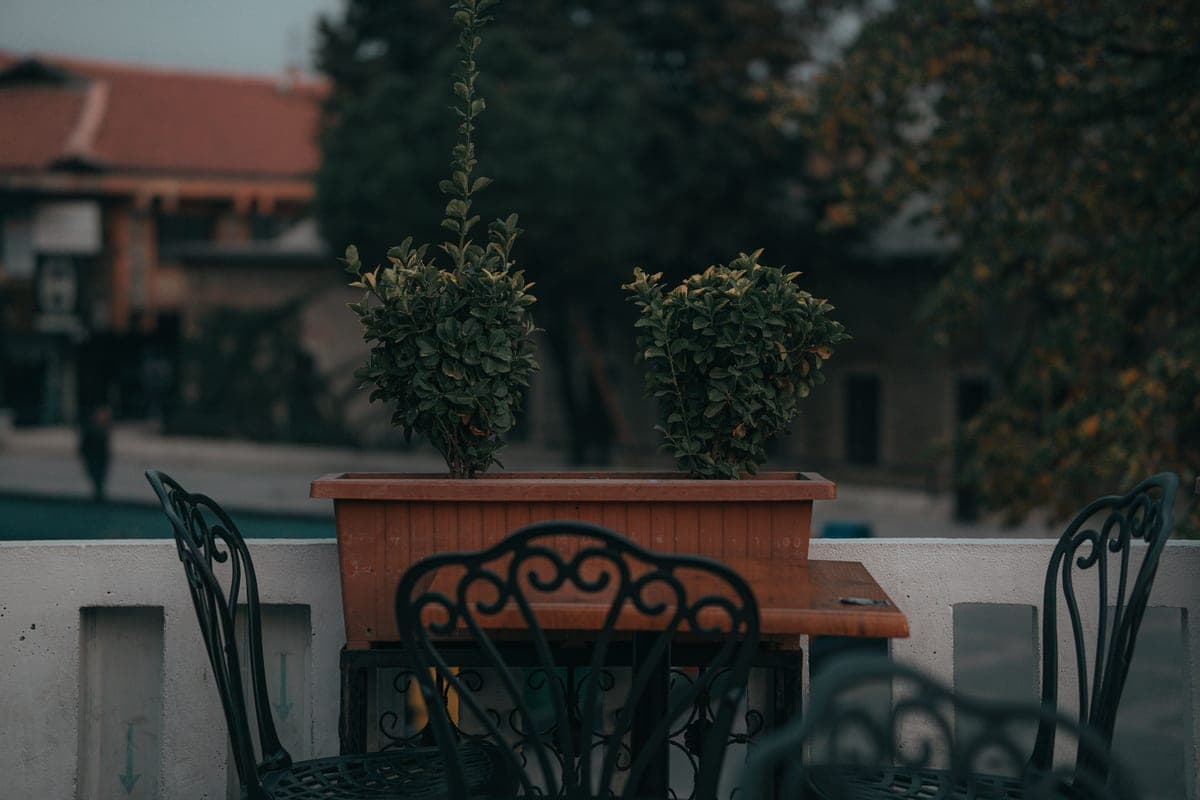
Best outdoor planter
Tomatoes, peppers and herbs on a patio or balcony
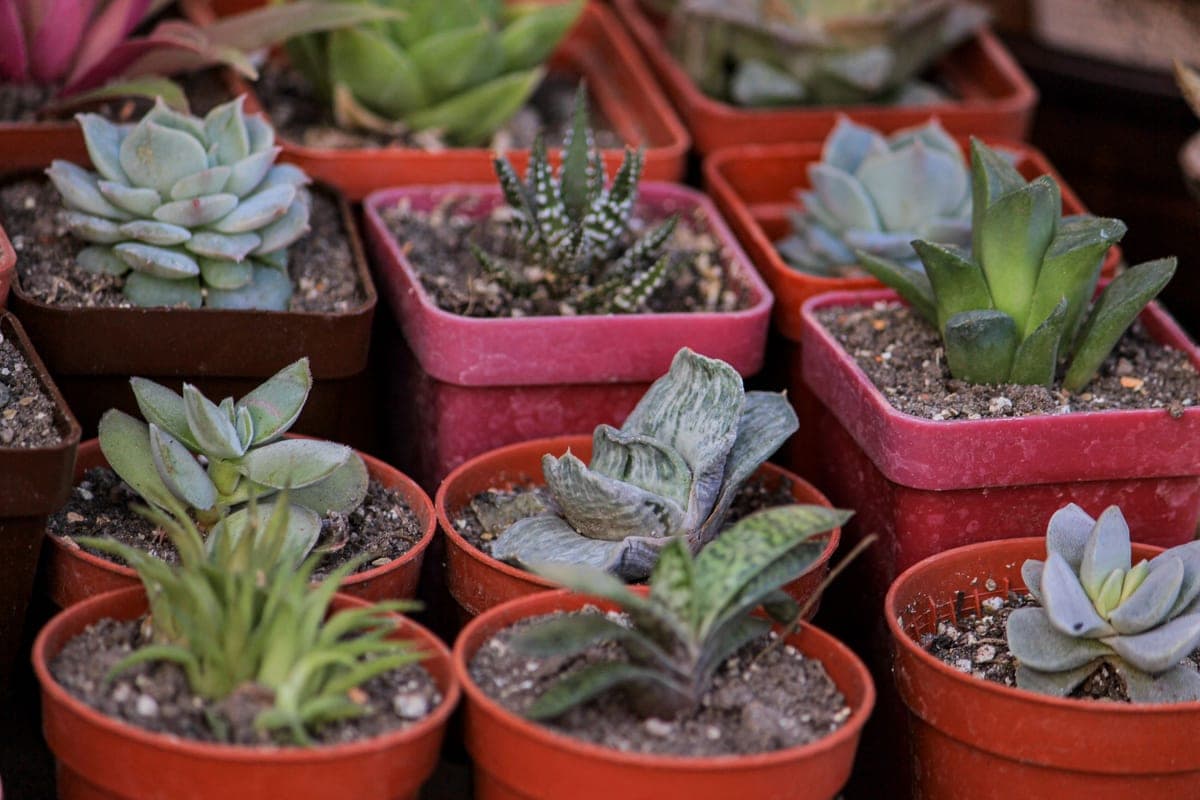
Best built-in reservoir
A dark office or a hallway with no natural light
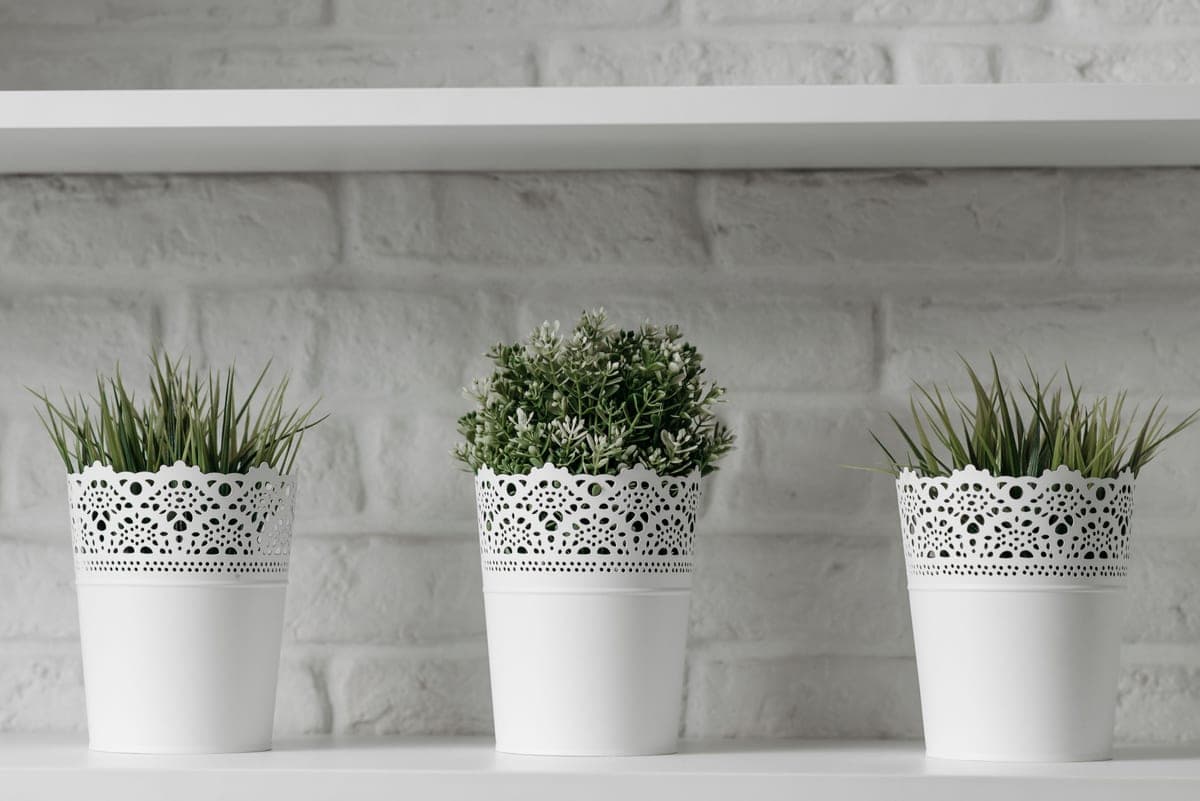
Best indoor planter
A desk or shelf plant you want to stop thinking about
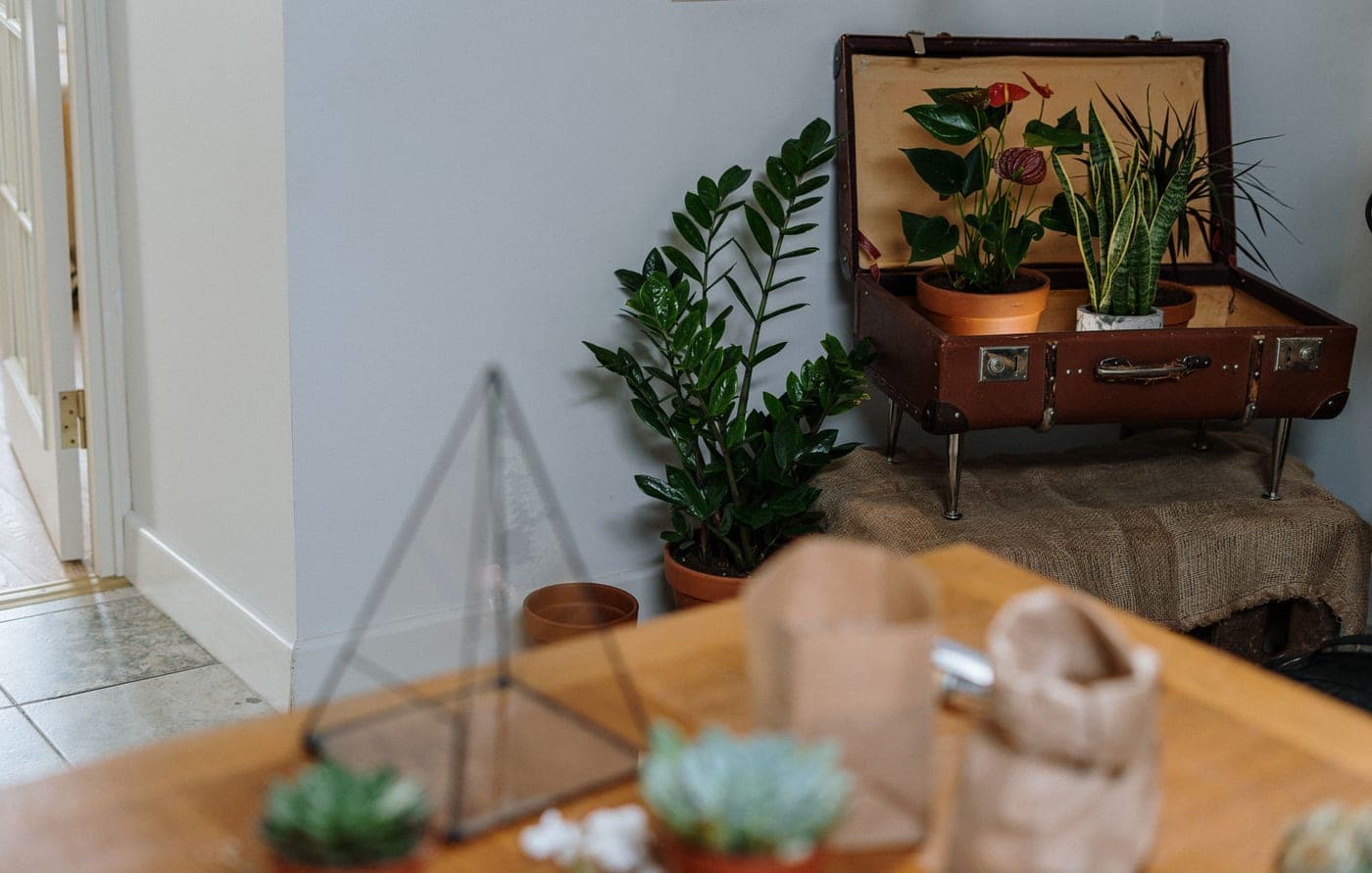
Best for a week away
The longest unattended stretch you can get without a pump
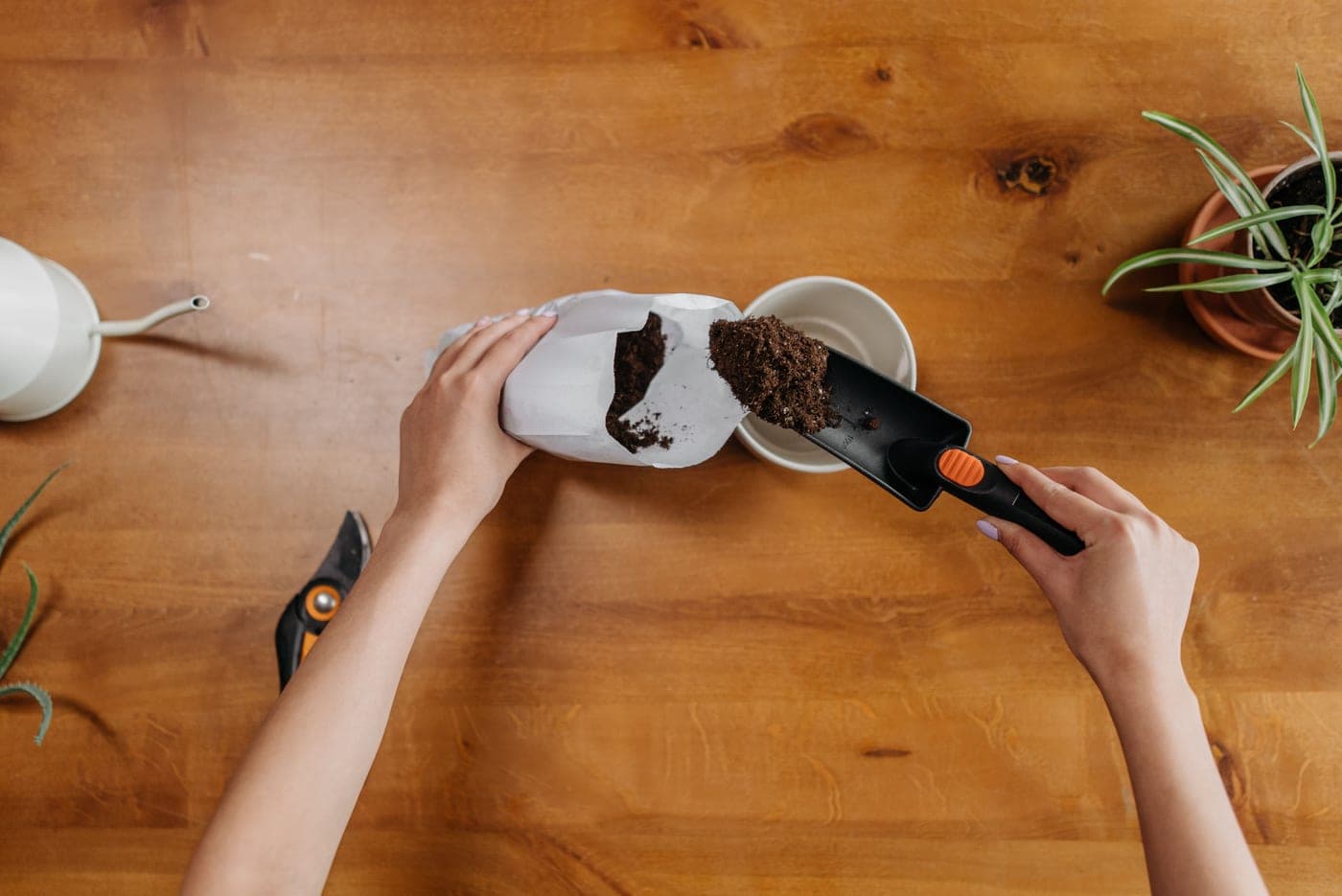
Best indoor meter
Anyone who has killed a plant by watering on a schedule

Best conversion kit
Turning a planter you already own and like into a self-watering one
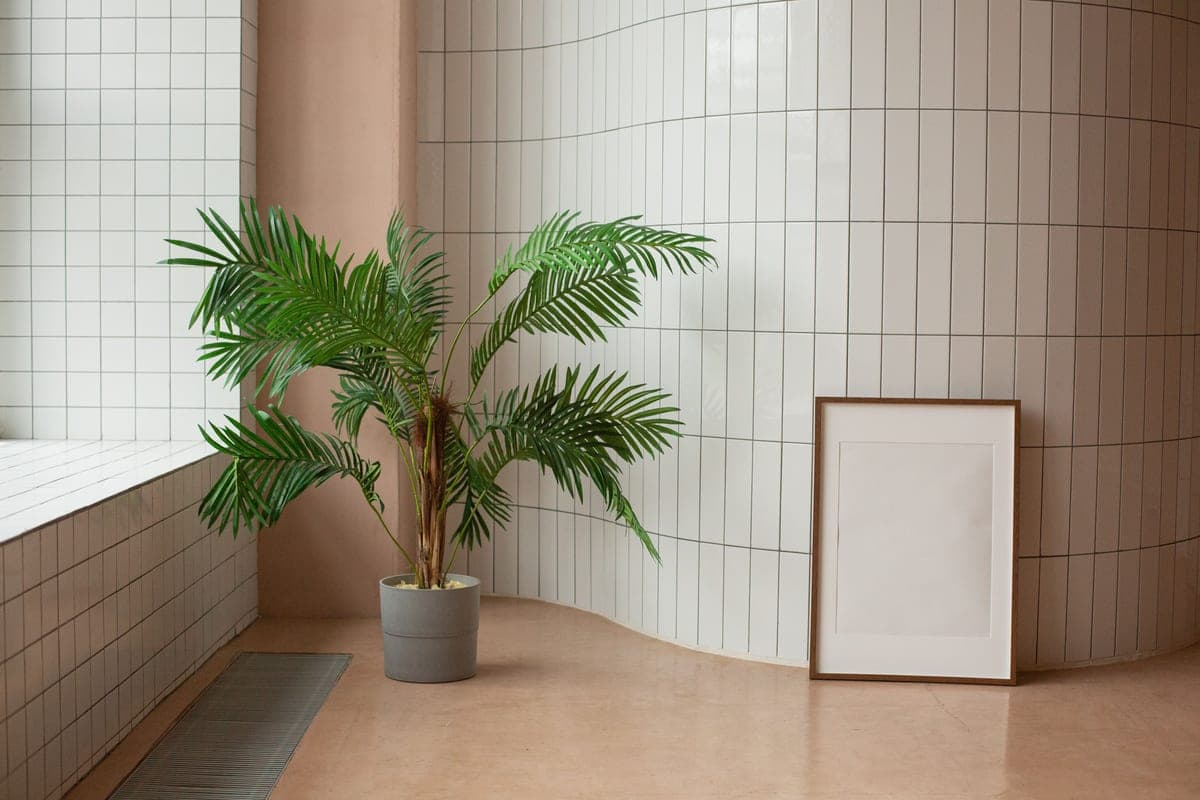
Best large planter
A floor plant in a corner you would rather not water weekly
Start from your problem
Pick the sentence that sounds like you. Each section is a real destination with its own roundups, comparisons and guides.
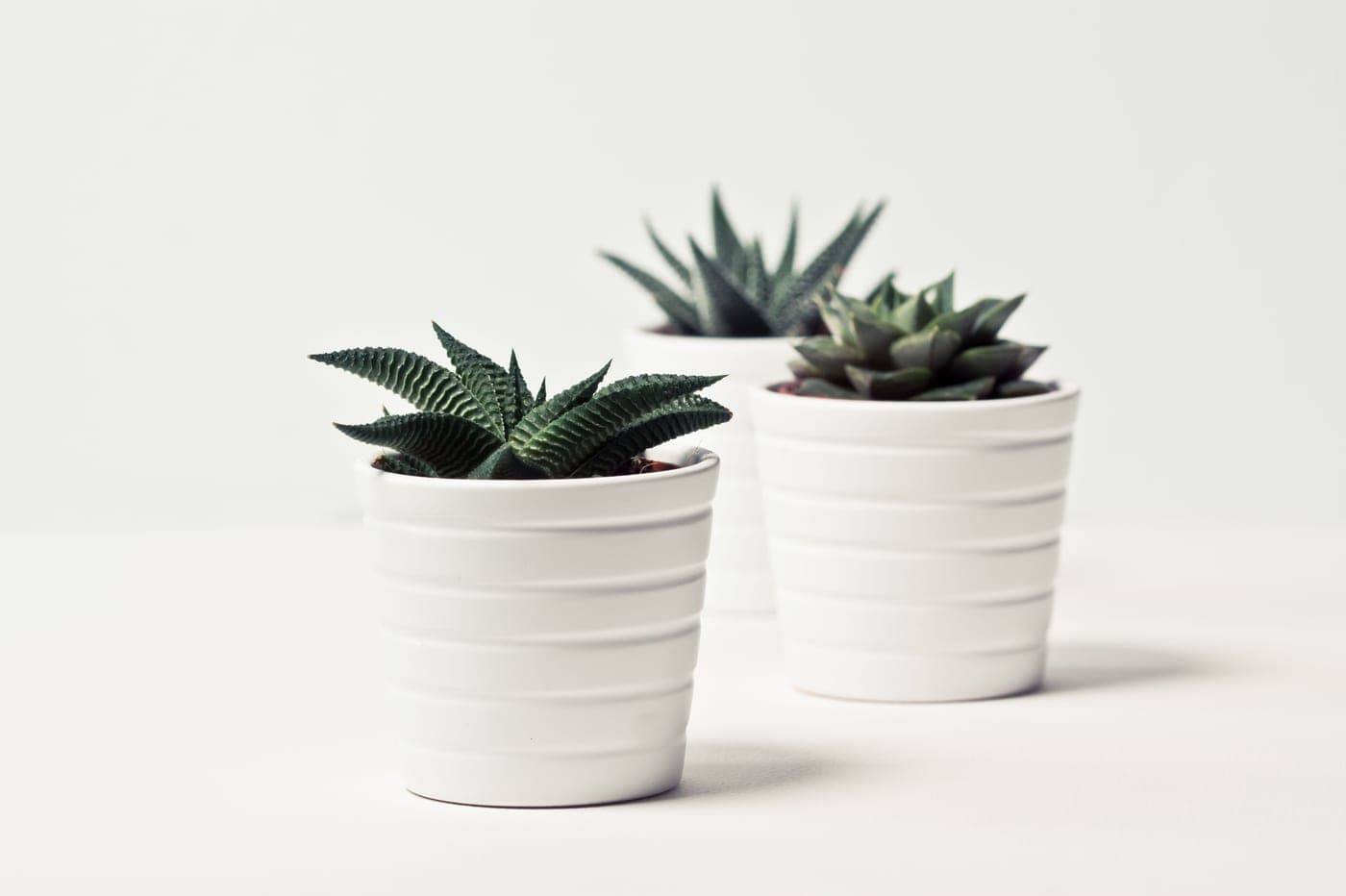
I want a pot that does it for me
A reservoir under the soil is the most durable fix for forgetting. How long one actually lasts is a division problem, and almost nobody publishes the numerator.
I am leaving on Friday
The right answer depends entirely on how long you are gone and how big your pots are. Both of those are numbers, which makes this a numbers problem.
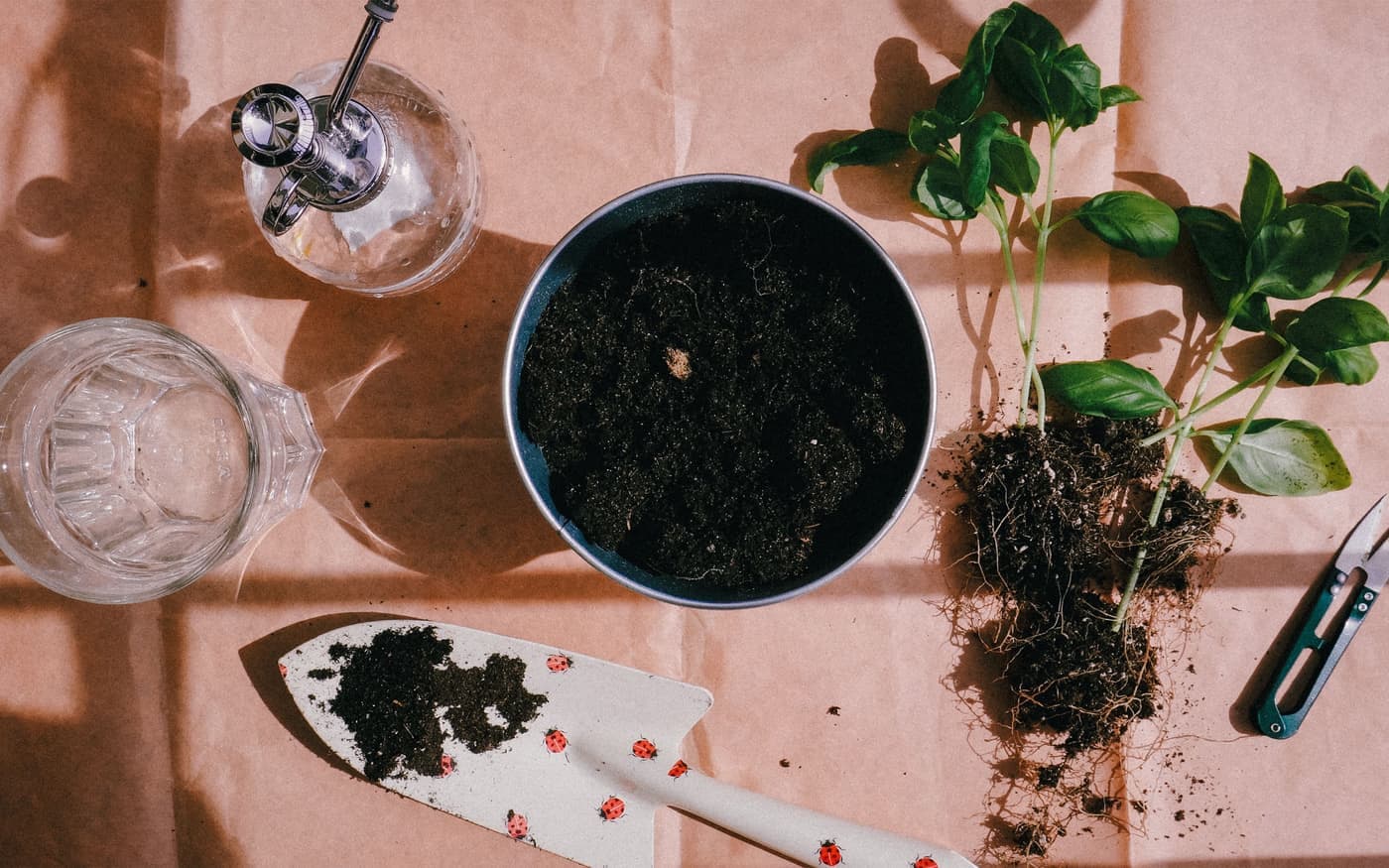
I want the cheap fix
The cheapest fix in the category, and the one with the widest gap between what is advertised and what the volume can support.
I want to stop guessing
Watering on a schedule is what kills plants. A meter replaces the schedule with a reading, and that swap is the whole trick.
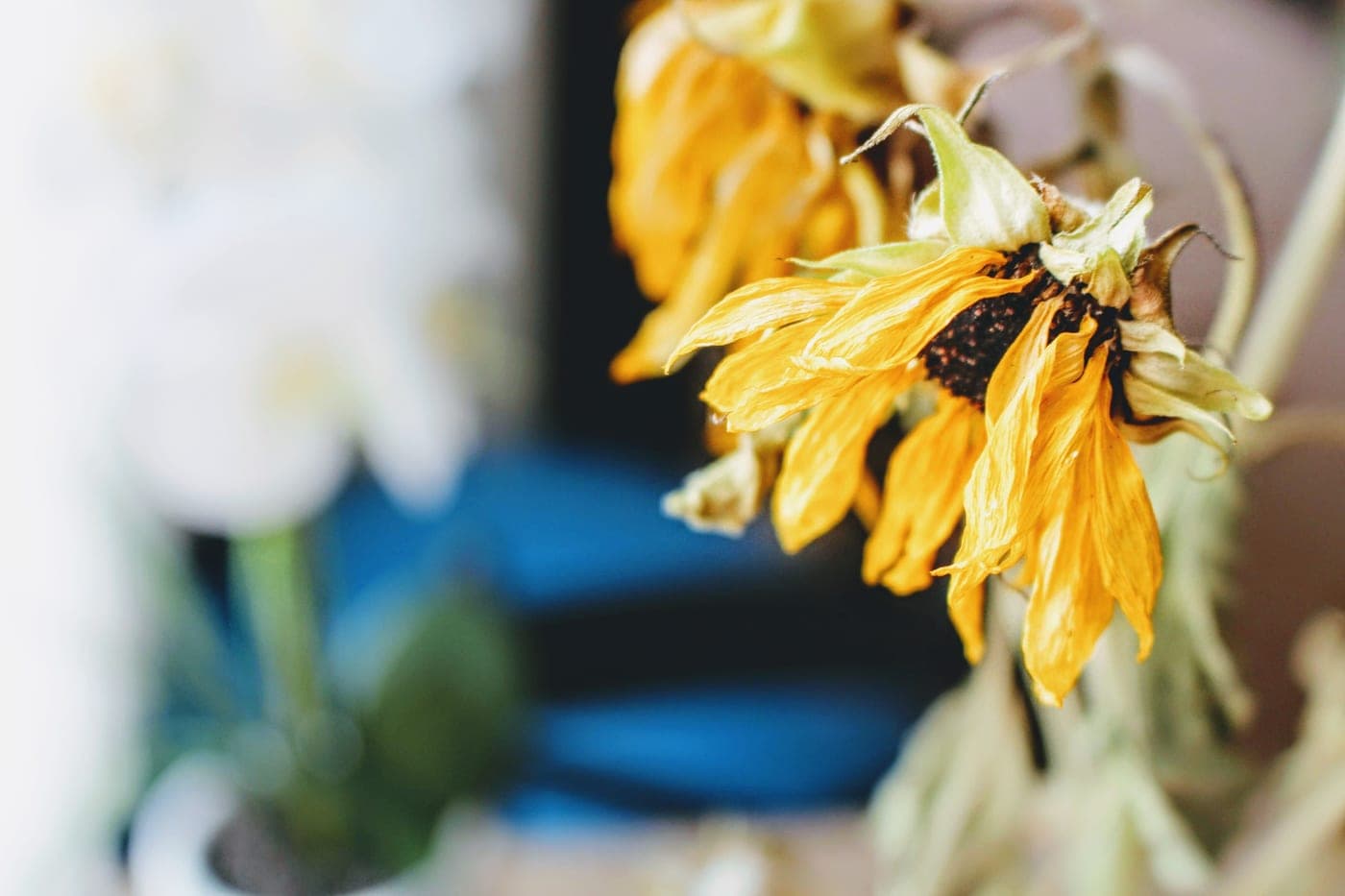
My plant is dying right now
Overwatering and underwatering look almost identical from above the soil. Start here, work out which one you have, and then fix it.
Read this first
The pot-size table, the assumption we had to make, the published cadence bands we multiply by, and the limits of all of it. Everything you would need to check our numbers or substitute your own.
Claims we do not make
Everyone in this category says they tested twenty planters. We have not tested any, and we say so.
What we did instead: compiled the published reservoir capacity of every product here, worked out how many normal waterings that actually holds, and multiplied it by the watering cadence a university extension service publishes. You can check the arithmetic yourself.
It is all on the methodology page, including the pot-size table and the assumption we had to make.
Why this site is different
Four things we can honestly do without a lab, in a category where nine of nine competitors we checked publish no capacity, no refill interval and no price.
Published specs only
Each spec row on this site carries the publisher it came from. Where a maker does not publish a figure, the row says so and stays empty.
Shown arithmetic
Every refill interval shows its division and names the pot size and plant type it assumes. Substitute your own numbers and get your own answer.
A skip in every roundup
A roundup where every product wins is an advertisement. Every product page here also carries a who-should-skip-this section.
Cited horticulture
Watering cadences, overwatering symptoms and root-rot causes are cited to university extension publications and the RHS, linked at the point of claim.
Read these first
If you only read a few things here, read these. Two of them will probably talk you out of a purchase.
Guide
The quantified answer, with the arithmetic and the one published first-hand account.
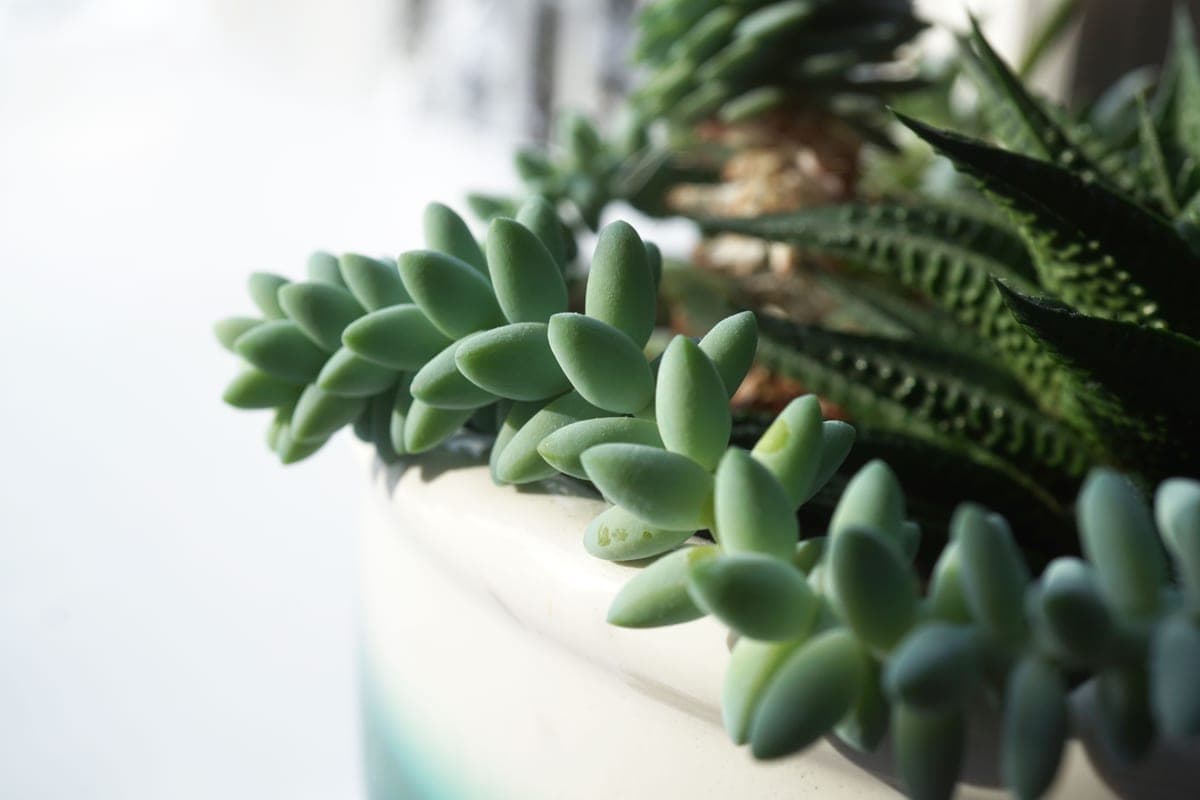
Guide
The symptom table, the four checks that separate them, and what to do for each.
Methodology
The pot-size table, the assumption behind it, and the published cadence bands. Written so you can disagree with it precisely.
Guide
The honest yes-or-no, including the three readers who should not buy one.
Latest
Newest first. Every page on the site is also listed on the sitemap page linked in the footer.
How this is funded
Wilt & Water is a participant in the Amazon Services LLC Associates Program. If you buy something through a link here, we earn a commission from the retailer. It does not change what you pay, and it does not change what we recommend: selection is driven by published specifications and the computed refill interval, never by commission rate or by which programs we happen to have joined.
We are not currently in any other affiliate network, so every buy link on this site goes to Amazon. When that changes we will say so here rather than quietly.